

Taylor Swift and the art of pregnant pauses
Issue 38: On managing ubiquity without burning out your audience

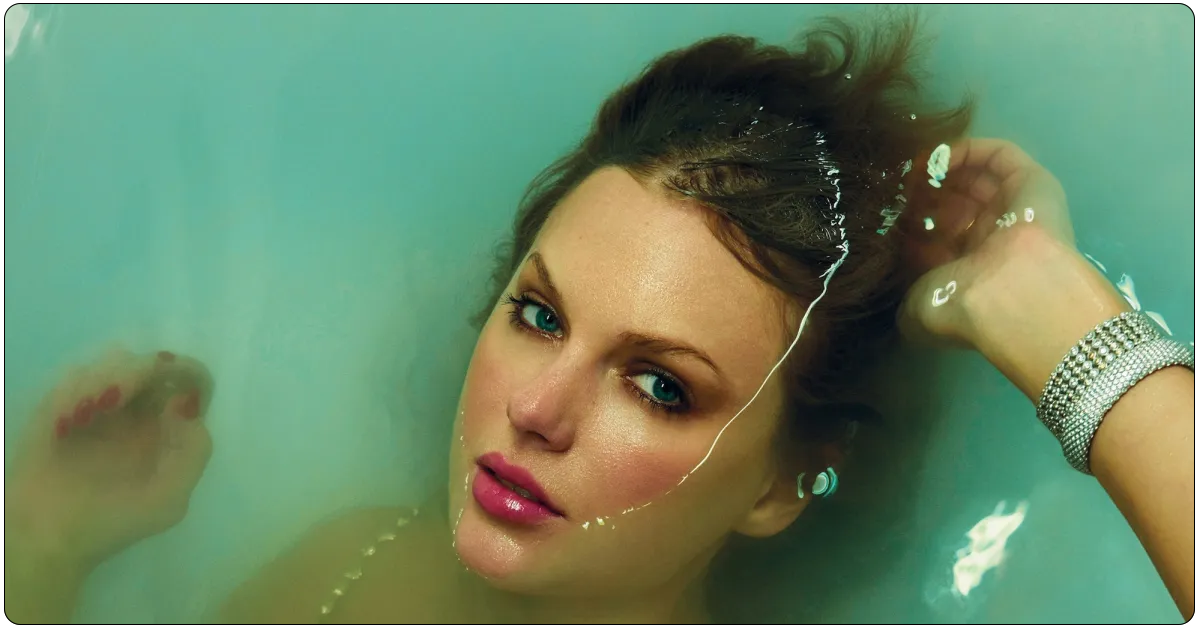
Taylor Swift dropped her new album, The Life Of A Showgirl, at 2.00pm AEST on Friday and we’re refusing to call it a masterclass.
Look, we all know she’s built an empire. We all know she’s exceptional at what she does. But this isn’t another breathless dissection of her genius; you’ve read enough of those to last several lifetimes and honestly, we can’t tell you anything you don’t already know about why she’s successful.
What caught our attention with the new album drop wasn’t Swift herself, but the strategic problem she’s solved that most brands can’t: how do you stay omnipresent without becoming overexposed? How do you win new audiences when you’ve already saturated the market? And, perhaps most interestingly, how do you create scarcity around something that’s (or someone who’s) everywhere?
Neil’s been complaining for years that Swift won’t leave us alone. Between the Eras Tour, the tour film, the NFL appearances, the constant headlines, the relentless release of new and re-recorded albums, she’s been inescapable. And yet somehow, this album launch feels fresh. There have been no pre-release singles or drip-feed of focus tracks. Instead, we’ve seen a relatively quiet period by her standards, pock-marked by a couple of significant life events followed by a full album release.
We all know Swift is good at marketing. Very good. One of the best. Any company would be lucky to have her as CMO (yep, looking at you Optus). And now she’s managed to maintain urgency and novelty despite being one of the most overexposed celebrities of the decade. It’s a trick brands often fail to pull off. It’s just a shame that this time around, the product wasn’t all that great. But you can read all about that in The New Yorker instead.
Act
It’s not a smart conversation if there’s nothing to talk about.
Start with the right strategy and execution to prove you can walk the talk.
Most brands operate on the assumption that more visibility equals more success. They chase every trend, comment on every moment, show up everywhere their audience might be. Sometimes it works. Sometimes it translates into marketing campaigns. Heineken has done it very well. Ditto for Hungry Jack’s, albeit its best example happened when McDonald’s sued it.
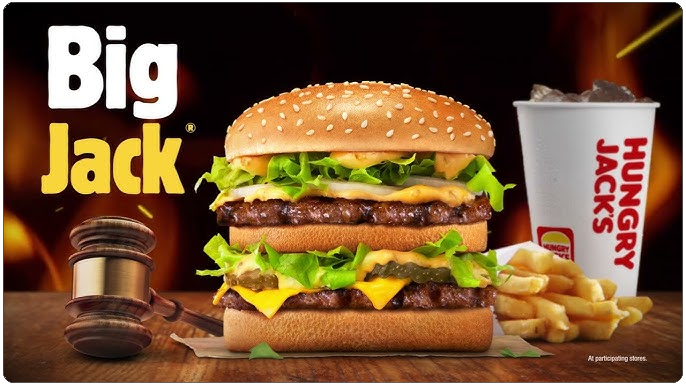
Swift’s approach actually hints at something more nuanced: that visibility is only valuable when it’s strategic, and silence can be as powerful as noise when deployed deliberately. It’s the reason we ask every prospective client “why?” when they tell us they want to increase their share of voice. Don’t get it twisted, share of voice can drive a lot of business outcomes, but it should never be increased just for the sake of it. In fact, depending on the company’s specific objectives and current market presence, turning up the volume may be the opposite of what you really want.
The timing between Swift’s podcast appearance when she announced the new album was coming and the album release tells the real story. After months of being genuinely everywhere – stadia, screens, sports broadcasts, gossip columns, the music charts – she went relatively quiet (heck, there were even weeks when a Swift album was not in the top 10). The key is to acknowledge that this is selective, not just absent. Yes, she announced her engagement but that’s hardly an elaborate rollout campaign. Instead, she maintained just enough presence to stay relevant without creating fatigue: something unique for Swift over the past decade or more.
This calculated reduction in noise achieves something that constant visibility can’t: it makes the eventual product launch feel like an event rather than just another Friday (every Swift release IS an event for many people, but you know what we mean; this one has been different). When Beyoncé dropped Renaissance with a relatively short period of pre-release promotion, she employed similar logic. After years of carefully controlled visibility, the scarcity of information around the album created genuine anticipation rather than the risk of exhaustion.
Compare this to artists who release singles months before the album, build elaborate promotional campaigns, saturate social media with behind-the-scenes content, and wonder why the actual album release feels anticlimactic. They’ve largely drained their audience’s attention budget before the product even arrives. Not to say this can’t work, it often does, but to nail it means carefully reviewing what stage the artist (or product) finds themselves. It involves asking the critical questions of what the audience wants, what they’ve experienced before and how a new product can be introduced into the ecosystem that feels fresh and continues the narrative.
All of this applies well beyond entertainment. Brands that maintain constant, high-volume output often find diminishing returns on each individual piece of content. The marginal value of the hundredth Instagram post in a month is dramatically lower than the first. But many marketing strategies optimise for volume rather than impact.
Swift’s approach – although we hesitate to call it innovative, because scarcity has always been valuable – demonstrates how selective visibility can maintain cultural relevance without burning out your audience. She’s everywhere when it serves the narrative (engaged to an NFL player, very All-American, full-circle from the Harry Styles era), but nowhere when it would dilute the brand.
What makes this particularly effective is that her absences feel intentional rather than accidental. There’s a difference between a brand going quiet because they have nothing to say, and a brand going quiet because they’re building toward something. Swift’s team has mastered the art of pregnant pauses.
Compare Swift to Stanley Cup water bottles. They shot up like a star, with sales flying from $US94 million in revenue in 2020 to $US750 million by 2023. But the same consumers who once clamoured for the latest limited edition then started to move on.

Why? Well, social media, which helped fuel the Stanley Cup craze, began to turn on the brand. Comments on videos shifted from admiration to criticism, with TikTok creators who had once showcased their collections making content about why they were done with Stanley. Several things went wrong for Stanley Cup. Simporter explains it well:
“Stanley’s decline shows the risks of over-saturation. Once a product becomes too common or too closely tied to a fleeting trend, it risks losing its appeal. For Stanley, the very ubiquity that fuelled its rise eventually led to its backlash. Brands must be mindful of balancing widespread popularity with the exclusivity that often makes products desirable.
“The eco-friendly narrative that Stanley tried to push offers an important lesson in authenticity. Consumers are more conscious than ever about sustainability, and they can see through claims that don’t hold up. While Stanley’s reusable design was marketed as eco-friendly, the idea of collecting multiple tumblers in different colours contradicted that message. Brands that want to appeal to environmentally conscious consumers need to ensure their messaging aligns with their customers’ values.”
True.
Explain
How big ideas are translated into words that resonate, build identity and set the context for a smart conversation.
Virtually every other major artist was photographed at fashion week in Milan or Paris recently. The Jonathan Anderson show for Dior alone could have doubled as a who’s who of contemporary celebrity. But Swift was nowhere near these traditional visibility touchpoints. She’s not doing the standard celebrity circuit of fashion shows, film premieres, and industry events that typically define high-profile public figures.
Her absence from expected venues serves multiple purposes. First, it preserves the “approachable All-American girl next door” positioning that’s core to her brand. Showing up at exclusive European fashion shows would complicate that narrative. Secondly, it ensures that when she does make public appearances, they’re tactically focused on the story she wants to tell rather than fulfilling social obligations or maintaining industry relationships.
The engagement to Travis Kelce demonstrates this principle perfectly. It’s a narrative that reinforces her brand positioning and generates massive public interest at the same time. Football player, very American, full circle moment for the girl watching the cheer captain from the bleachers etc. It gives her approachability at massive scale, which is a difficult balance to strike when you’re selling out ten million tickets globally (seriously, the Eras Tour sold 10,168,008 tickets across 149 shows).
If Swift is going to give anyone a story, it needs to serve her narrative objectives. That level of control is rare among celebrities of her scale, most of whom maintain visibility through a combination of planned promotion and routine industry presence.
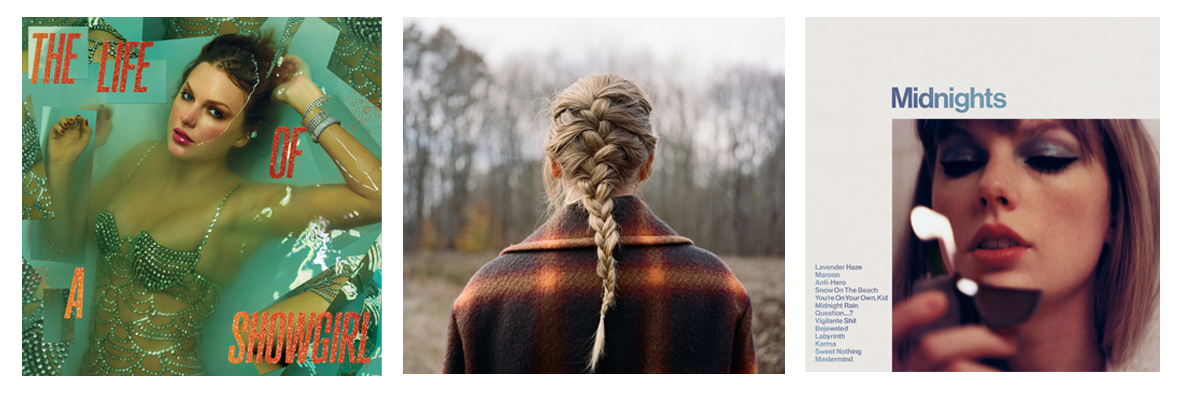
The cover of The Life Of A Showgirl illustrates how carefully these visibility decisions get calibrated. Moving from, say, the heavy plaid jacket aesthetic of Evermore and the cinematic intimacy of Midnights to something more provocative generated immediate noise. American parents complained about their 12-year-olds buying the album, which is both predictable and probably beneficial: nothing drives teenage interest like parental concern. Cynics would say Swift simply stole a look from Kylie Minogue… and a word (Kylie’s 2005 tour was called “Showgirl: The Greatest Hits Tour”). But cynics do love to hate Swift.
Whether the album cover represents genuine brand reinvention is debatable. Anyone who saw the Eras Tour stage show knows the imagery isn’t particularly shocking by her standards. But it creates talking points, drives public discussion and ensures the album announcement cuts through an incredibly noisy media environment.
It’s the exposure calculus that some brands misunderstand. It’s not about how often you show up, but about making each appearance count. Swift could be at every event, every awards show, every fashion week. The invitations certainly exist. But each appearance would diminish the impact of the next one, and eventually, her presence would become background noise rather than newsworthy.
When everything is an event, nothing is an event. When you show up everywhere, you’re effectively invisible.
Amplify
A conversation means someone has to listen and respond. Cleverly amplifying the message to the right audience, at the right time, is the final piece of the puzzle.
The genuinely impressive thing about Swift’s current position is that she’s still winning new fans despite already having massive market penetration. It’s a trick that most established brands can’t pull off: growing your audience when you’ve already saturated your obvious demographic.
You can’t accuse Swift of employing traditional scarcity tactics. She’s not a limited-edition streetwear drop or an exclusive restaurant with a three-month waitlist. Her music is completely accessible, so much so there’s two of every album. And still, she’s managed to create hunger around new releases despite being omnipresent.
The strategy here – we assume – is that you can consume everything Swift has already created anytime you want, but you can’t consume what’s coming next. And by withholding previews, singles or an extensive promotional rollout, she ensures that the actual album release remains an event worth anticipating.
Swift’s omnipresence means the quiet period before a release feels deliberate rather than desperate. Justin Bieber’s recent SWAG and SWAG II also spring to mind, having been released out of nowhere to huge acclaim.
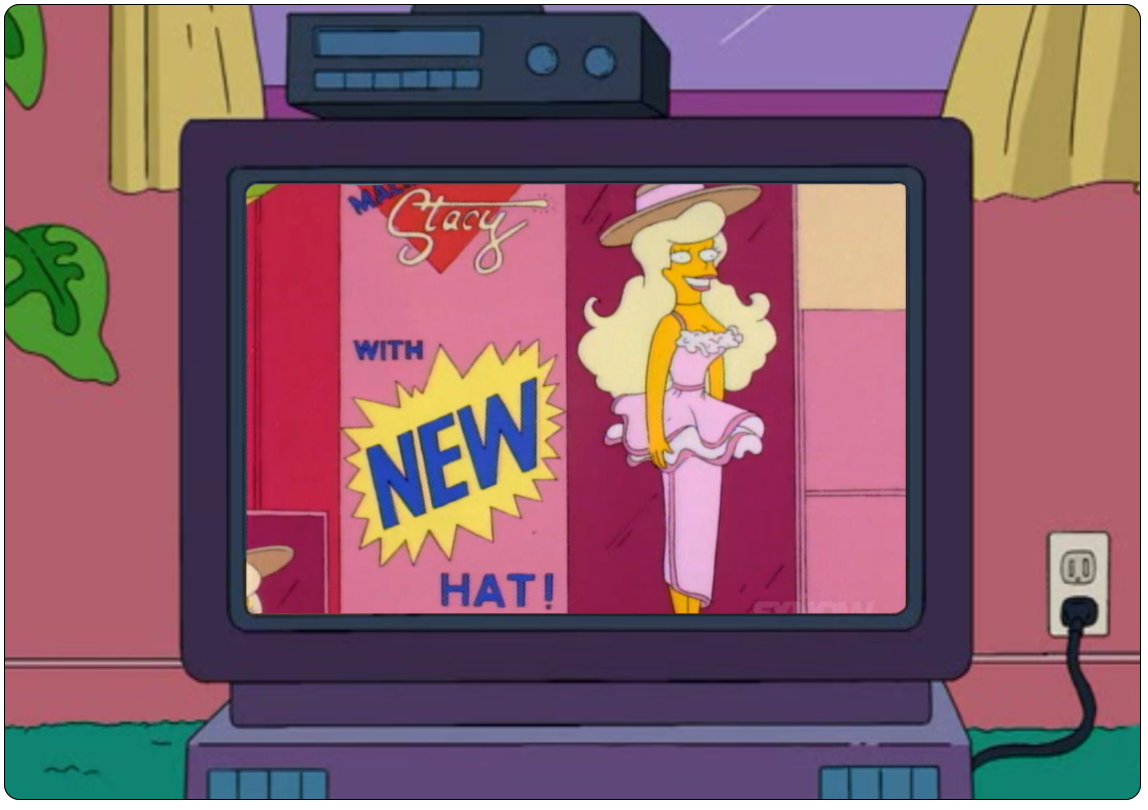
The challenge most brands face is that they’ve conditioned their audiences to expect constant output. Social media algorithms reward frequency, so marketing teams post constantly. Some product lines expand continuously. New iterations and updates arrive monthly. Eventually, the audience becomes desensitised to “new” because new is simply the default state. Think Marvel’s spectacular content fatigue. The Simpsons nailed this decades ago when, in season five, they wheeled out Malibu Stacy “with a new hat!” The crowd cheered, the product sold, and Lisa’s more meaningful alternative (Lisa Lionheart) was ignored.
Breaking this pattern requires confidence that your audience will still care when you do show up, which requires having built genuine equity rather than just algorithmic momentum. Many brands discover they have the latter but not the former when they try to pull back from constant posting.
This is the ultimate luxury in an attention economy: the ability to command attention without constantly demanding it.
The broader lesson for brands struggling with overexposure while trying to maintain growth is that you can’t solve ubiquity with more ubiquity. What creates differentiation and renewed interest is smart variation in that presence: knowing when to show up, when to stay silent, and when to surprise your audience with something they weren’t expecting.
Consider the Kardashians, a once massive brand that has faded. When Kylie Jenner announced the launch of Khy in October 2023, the internet responded with a yawn. This is the same entrepreneur whose Lip Kits sold out just 10 minutes after they launched in 2015. According to Statista, in 2017, Kylie Cosmetics’ online/e-commerce revenue was $US68.7 million. Fast forward five years, and the brand made less than half that amount.
Market saturation doesn’t mean you can’t win new audiences. It means you need to give them a reason to pay attention despite already knowing who you are. That requires creating moments that feel genuinely new rather than just more of the same, even when you’re fundamentally delivering the same product you always have.
Swift is still making pop music with confessional lyrics. That hasn’t changed. But the packaging, timing and narrative around each release creates the perception of novelty even when the core product remains consistent. That’s not manipulation; it’s understanding how human attention works in an oversaturated media environment.
Picks & Recs

TIMES WE REALLY WISH CELEBS TOOK THE ABOVE ADVICE:
Tess: When Justin Baldoni put a meeting with his legal team in the calendar.
Andrew: When Sydney Sweeney saw a call from American Apparel and clicked ‘answer’.
Sam: When Ashton Kutcher and Mila Kunis hit record to apologise for the Danny Masterton letters.
Neil: When Lady Gaga thought it would be a good idea to star in House of Gucci.