

Sumimasen
Issue 61: Crises in culture
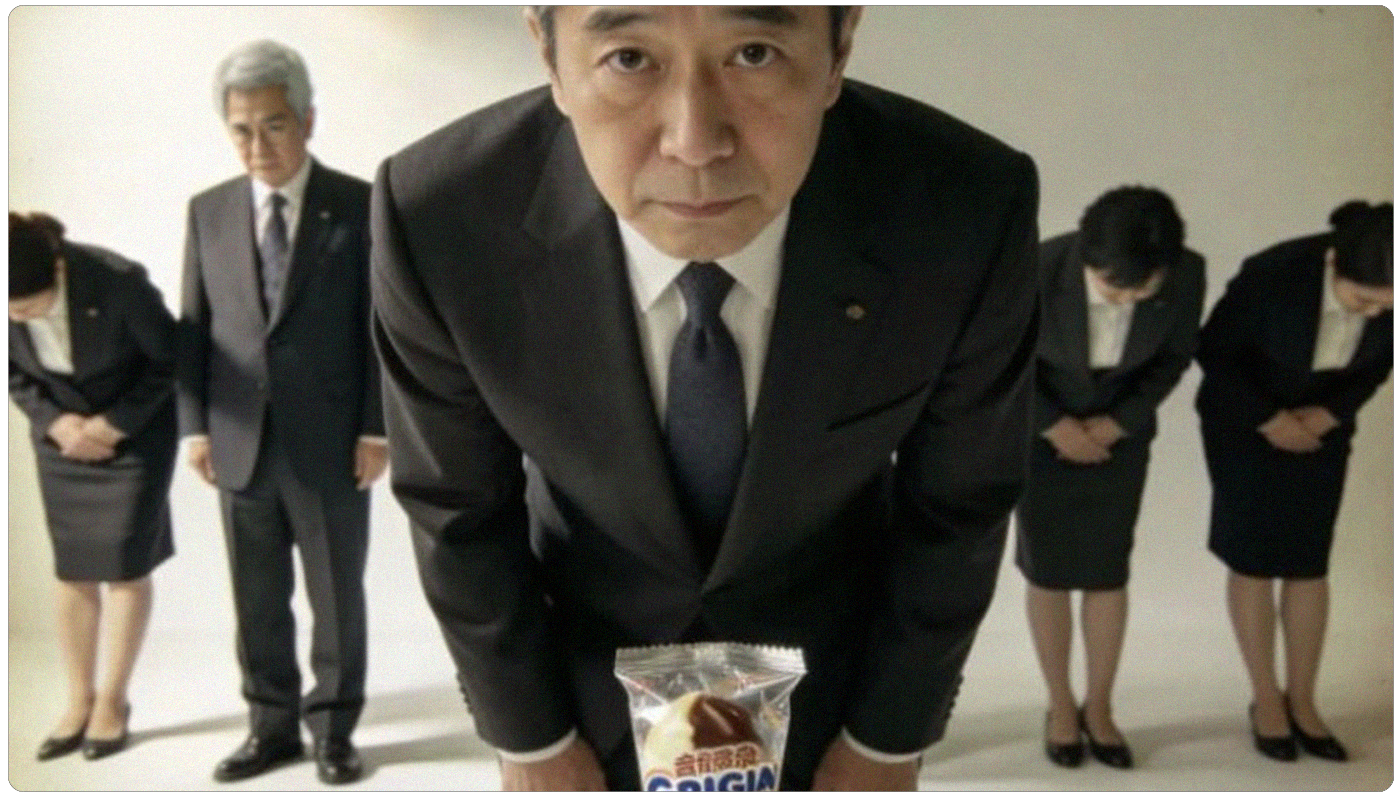
There is a television ad from Japan we should have a chat about and no it’s not Dole Banana. It’s not that wonderful man from the SkyPiece ads who talks on the cab screens or the weird ones Arnold Schwarzenegger appeared in. We would like to talk about the Nicholas Cage pachinko commercials but apparently they’re of little value. Nah, today we’re talking about ice cream.
In 2016, the full senior leadership of Akagi Nyugo lined up shoulder to shoulder outside their own headquarters and, in national television commercial to a mournful little country guitar line, took a bow. The full, from-the-waist, we deeply apologise bow. What had they done to warrant it? They’d put up the price of an icy pole. Bastards.
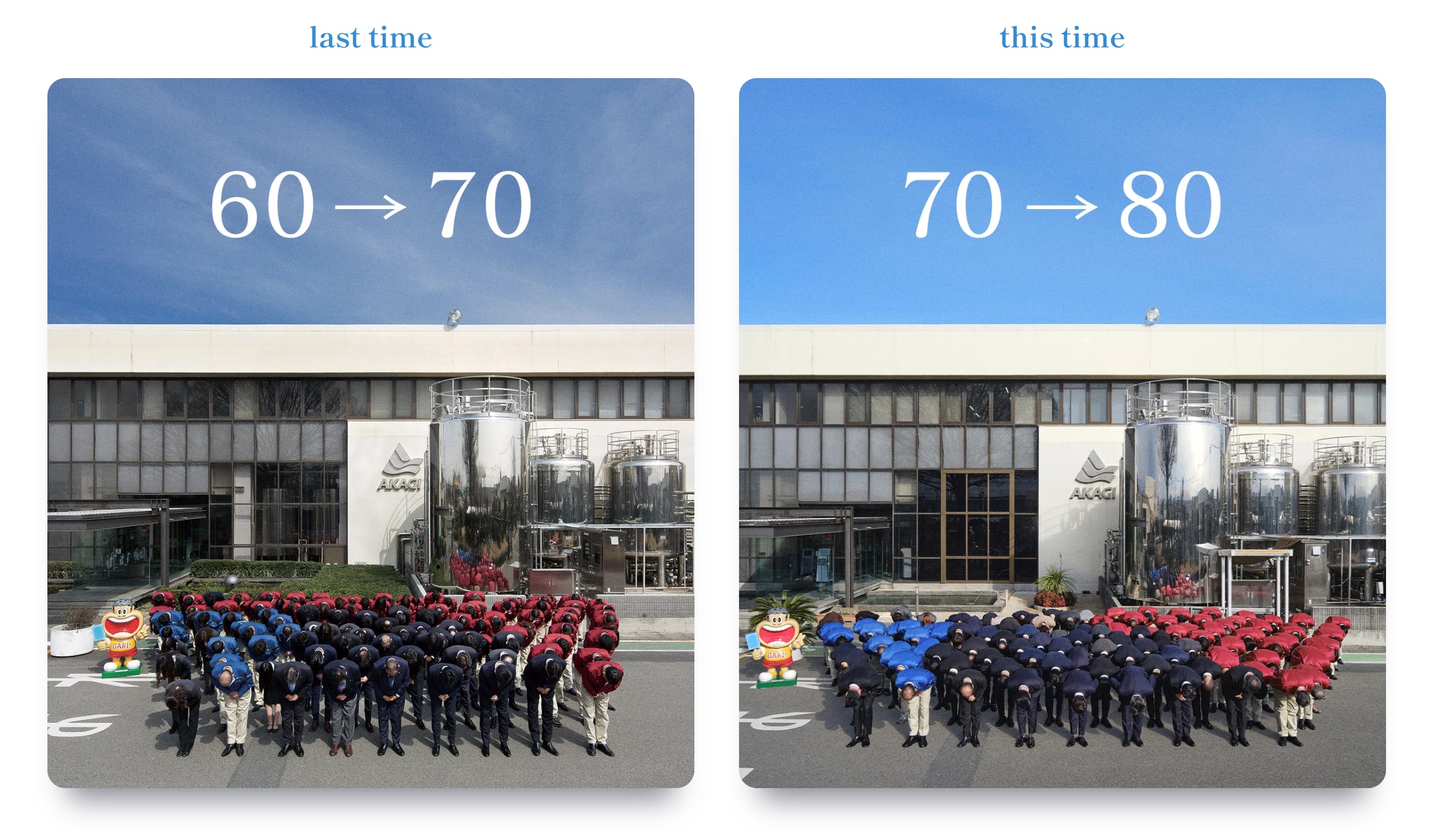
Garigari-kun, a soda-flavoured ice block that had cost 60 yen since roughly the first Bush administration, was going to 70. A rise of 10 yen and Akagi Nyugyo filmed the confession like a state funeral and ran it in prime time.
Let’s backspin for a quick sec to revisit some of the general crisis advice we’ve given and continue to give: an apology is a big old last resort. Unless direct malfeasance is present, plenty of research points to the psychological shift that happens when a CEO or figurehead displays empathy, takes responsibility and describes proactivity versus when they just say “we’re sorry”. The latter implies tacit guilt and channels public attention onto the apologetic individual. If you’re looking to get your CEO out of a job fast, this is a great way to go about it.
And yes, before you say it, we know Telstra has had an outage, and yes, we have plenty to say about the fact they led with “we’re sorry”, albeit days after the event and unwarranted. This was an example of a stupid sorry. A simple “it’s not you, it’s us” text during the blips of reception in the actual outage, followed by an indication they were working on a solution, would have gone much further to quell outrage. Instead we got days of mainly silence followed by a grovelling blanket apology with more “us”, “we” and “our customers” in it than a willingness to address “you”. No one wants to be addressed as someone’s customer in a crisis. Always remember people don’t give a shit how you feel, they just want to know if their phone is working and what you’re doing about it. Anyway, no, this issue isn’t about Telstra. Every other try-hard comms professional in Australia has tried that on. And honestly, we CBF.
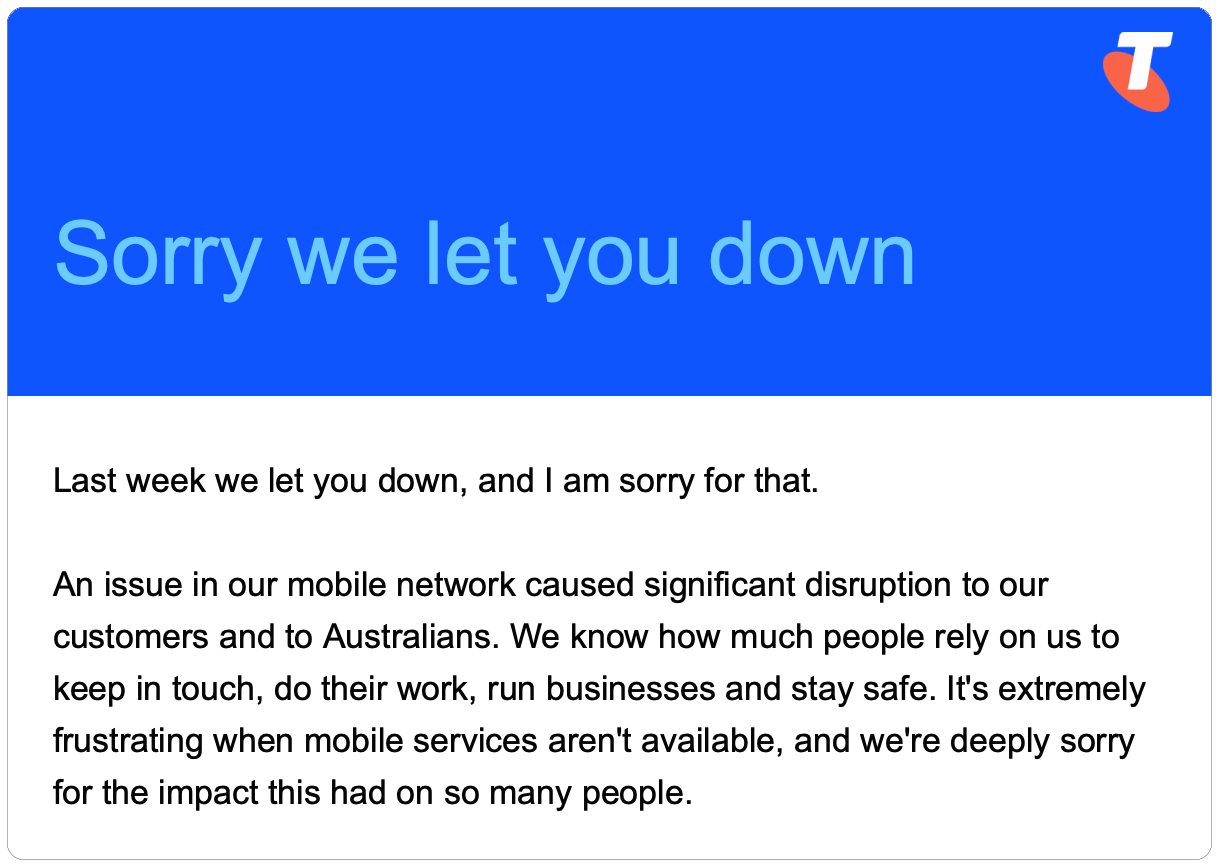
What we’re looking at is why Akagi Nyugo’s 10-year-old apology – which was made in advance of any media reporting or public outrage over the price rise and which alerted the public to the price rise, adding fuel to a potential fire and going against every piece of advice we would ever give – worked. Because seriously, it worked.
The clip went viral as gratitude rather than mockery swept Japanese audiences. The apology was a deft slight-of-hand, highlighting the fact the company managed to keep the price flat for a quarter of a century when every other product was jacking up costs and saying nothing about it. The public decided the honourable response was to thank them for the restraint and for eating the cost year after year before finally passing along a few yen. Sales held. When Akagi did it again in 2024, edging the price to 80 yen, they uploaded this to their website and by their own account, bowed even lower. They also planned for the future, which is nice (scroll down if you didn’t). It worked a second time. A company said sorry for charging more and its customers came away feeling looked after.
Try to imagine an Australian company doing that (pick any company, EVERYONE seems to be jacking up their prices these days). You can’t. A price rise in Australia is treated as a small act of aggression and a national ad in which your executives bow in penance would land as either a piss-take or a cover-up,. You don’t have to be a member of MENSA to understand a white Australian bowing would be bizarre because the cultural codes are wrong, but that’s just the tip of the iceberg.
The bow itself is a physical symbol of a much deeper system of belief, a cultural code, shared by the country. It’s the same reason you can pretty much get by travelling through Japan knowing only the word sumimasen, which loosely translates to an informal sorry but can double as excuse me, thank you and even a soft hello. Kind of like fuck in Australia, which incidentally is why this was a forking great ad here but would never fly in Japan.
Japanese culture rewards honour through modesty; an apology is still an apology but cultural codes mean it is interpreted in a very unique way. This is the general thesis we’re playing at here, everyone understands culture shapes how we make meaning, but very few call out the impact this has on handling crisis communications, or earned media at large, across borders.
We got onto all of this because of a LinkedIn post that did the rounds a few weeks back and irritated us in a productive way. A UK publicist was taking a victory lap – chest out, analytics screenshotted – for losing a client. The client had grown, wanted its media handled on both sides of the Atlantic, and asked her to take on the US work alongside the UK. She said “no”, and turned the “no” into content: British journalists and American journalists want completely different things, she explained, so anyone promising you a single firm that can do “global” is selling you a fantasy. Allegedly the good operators know their one market and stay in it. It got a lot of applause in the comments. It is also, we think, exactly half right. The most dangerous kind of right there is.
Markets are genuinely, structurally different. One way to prove it is to keep watching what happens when things go wrong; a crisis is where a culture shows you its actual rules. Elaine Scarry talked about this in Thinking In An Emergency when she pointed out that when your focus is arrested on something that immediately requires your attention, background thinking kicks in. Background thinking is largely determined by ingrained cultural codes; it’s why you say “ouch” as soon as you bump something even though it didn’t hurt, or why you might squeal at the presence of a mouse even though you’re not scared.
In the case of an apology, fly two hours from Osaka to Seoul and the bow exists, but carries very different contexts: it’s usually more of a bob to say a hello or thank you than a structured thing with carefully coded angles. An apologetic bow in Korea is far less common and conducted in person, kneeling on the ground. It is saved for when you’re very, very sorry as it’s quite an embarrassing thing to have to do. It is a tacit admission of disgrace. It’s a reactive thing versus proactive and it’s not something you could ever make light of.
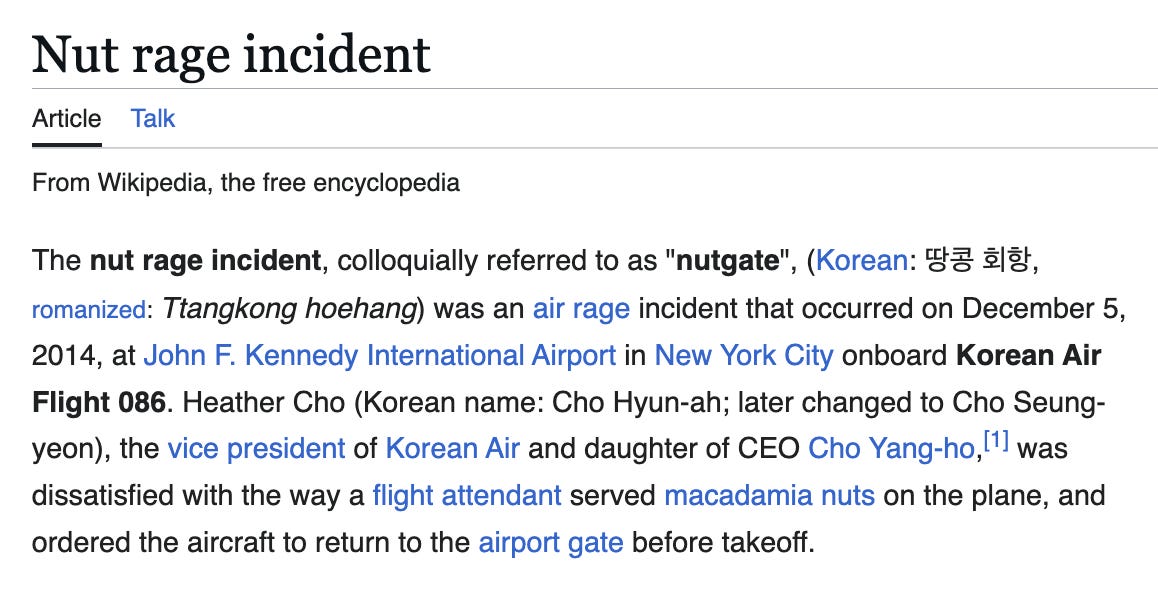
An incident in 2014 offers a retrospectively hilarious example: Korean Air vice-president, Cho Hyun-ah, was served macadamias in first class in a bag rather than a bowl. The horror. She was so sufficiently displeased that she ordered the taxiing aircraft back to the gate to offload the chief purser (chaebols amirite?).
Korea named it “nut rage” and coined a word off the back of it, gapjil, for the casual cruelty of the powerful toward the people who have to serve them. What’s instructive is the apology. The chairman, her father Cho Yang-ho, came out and apologised with a deep bow as a father, asking “for the public’s generous forgiveness” as both chairman and parent. His daughter resigned her posts and was, for a time, jailed for obstructing aviation safety. In Korea a founding family personally wears the disgrace when one of its own detonates.
The instinct of many Australian board in a case like this – likely be a strange pithy statement issued through media, a standing down of the offending party and an ongoing investigation – would have read in Seoul as cowardice. If Japan and Korea can’t share a playbook across a two-hour flight, the idea that one strategy can be aimed at APAC from a desk in London is a fairy tale.
Despite this, comms agencies do, in fact, work across cultures. This is what the LinkedIn take relies on you not thinking too hard about. In Singapore, the smartest move in a crisis is frequently the one you don’t make: the major newspapers run through a state-funded trust, TV runs through Mediacorp, and an online-falsehoods law sits over the lot with near-total compliance. The result is a media culture deferential enough that a late train can be a genuine national story while a corporate stumble gets a fraction of the oxygen an Australian newsroom would pour on the same event.
Everything comms people are trained to do when a crisis hits – get ahead of it, comment early, feed the beast before it feeds on you – can be precisely the wrong reflex because in a market where the story was never going to travel, a loud full-throated response may simply write the story for the people who weren’t going to run one.
The Americans are their own puzzle: comms people in big US companies are weirdly tight-lipped and paranoid about protecting their health insurance (you can’t blame them for that). Companies rarely push hard on the media because the media landscape is so vast and so fractured they can hold their line, stay boring and play outlets against each other almost indefinitely. Of course, a massive crisis can go proper Fyre Festival, but most media in the US is not the attack-dog British tabloid engine. The French, for their part, tend to hold everything close and volunteer nothing, and are comfortable letting a silence do the talking in a way that would give even an American comms lead hives.
So, yes, markets are different, sometimes unbridgeably so, and anyone who tells you otherwise has never had to place the same story in Jakarta and Boston in the same week. But the conclusion our offending LinkedIn publicist draws from all that is a cop-out. “It’s too hard to do more than one properly, so I’ll only ever do the one I already know” is a perfectly reasonable personal boundary and a genuinely poor description of our job when done well. It skips an entire layer of what we do: it’s the explain in our old adage of act, explain, amplify.
It’s entirely possible, more possible than ever in fact, to “do the world” and understand how culture works. It’s a big part of how to actually move yourself up the value chain from a PR style mouthpiece to a more strategic adviser and communicator. The person who has actually learned the codes of more than one market and can move between them is an asset to any team, even if you’re working in one territory. That is not to say a comms person can’t consult or contract experts who specialise in an individual market, but it doesn’t preclude them from leading a global client.
The global brands worked this out about five ago. That was apparent when Neil and Andrew sat in Cannes watching Heineken hoover up a stack of Lions and boast the machine underneath the trophies was local creative control, a central idea held loosely by local teams trusted to bend it to their own audience and move fast on whatever’s live in their market that week.
That’s what is sitting in the blind spot between the unnamed publicist’s two presented options: one hero running 30 markets off a laptop isn’t a great choice, but it’s equally as rough to have 30 strangers each running one market in isolation. It’s the roughest choice for anyone, regardless of occupation, to remain close-minded to learning the intricacies of another culture simply because they know their own very well. That just makes you boring.
None of this, if we’re honest, is a new lesson so much as the only lesson. We called the very first issue of this thing “Pity the Reader”. But this all gets particularly heightened in a crisis, when the business has less time to think and the audience is most likely to rely on the most internalised of social cues. The deep bow is a masterstroke in Japan and petrol on a fire nearly everywhere else. The closest thing to a universal law in any of this is that you should find out if you’re running into the burning room with an extinguisher or a tin of petrol before you open your mouth.
What we’re currently obsessed with
Tess
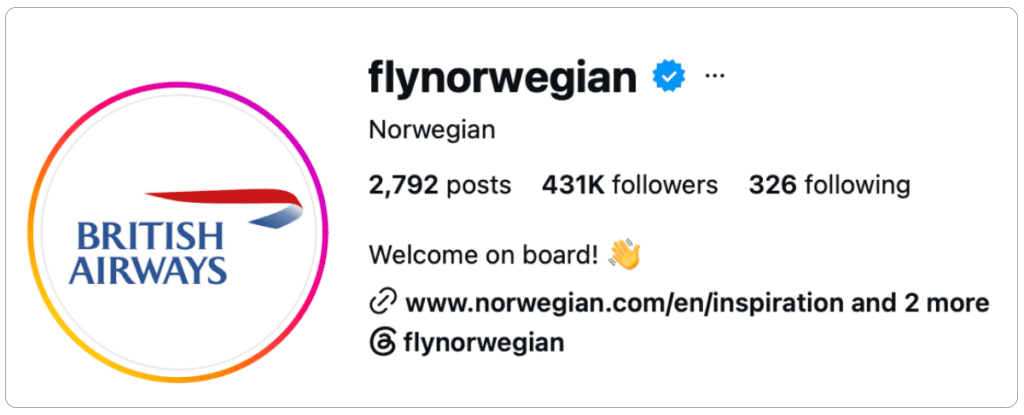
The gloriously petty FIFA World Cup bet between Norwegian Air and British Airways. Before England played Norway, the two airlines agreed that whoever lost would swap their Instagram logo for the winner’s for 24 hours. When England won, Norwegian Air followed through and proudly wore BA’s colours.
I wish I’d been a fly on the wall when this idea was initially pitched. I just love that a heritage brand like British Airways can engage in a little harmless marketing fun, and that what is quite a traditional brand is willing to show a sense of humour.
Sam
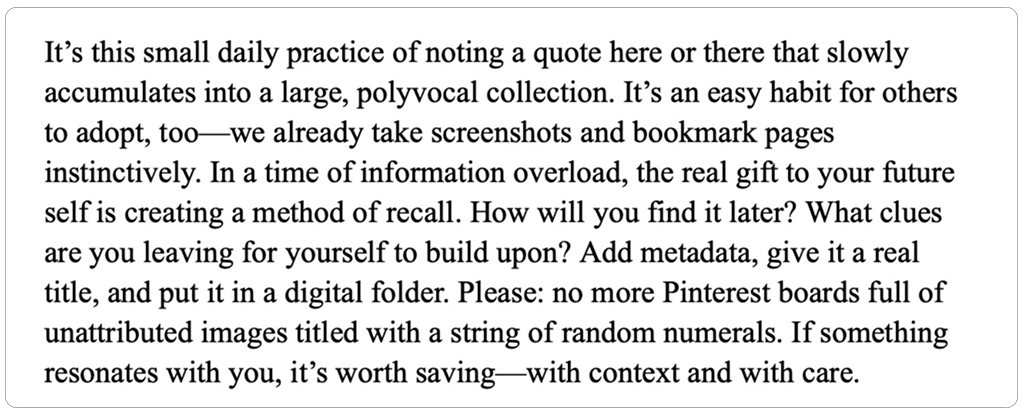
As a longtime lover of The Moon Lists on Instagram, I’ve finally (and quite late to it, mind you) started getting across their content on Substack. When I get a spare moment lately, I find myself going for a peruse through their archives. Some recent faves have been: Prompts for a plot twist, Anaïs Nin’s diagrams of her orbits of friends, the 1930s term “going Santa Fe” for being lesbian, and the above image that really sums up the whole ethos of Moon Lists… which is about how to pay attention differently.
Neil
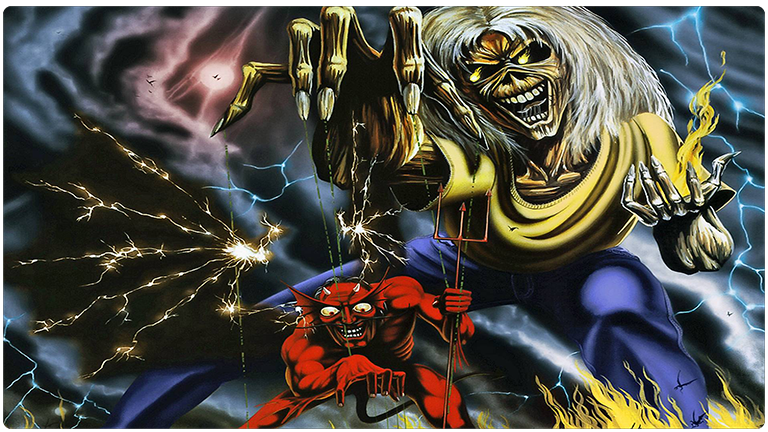
I don’t tell many people this, but I like Iron Maiden. Not in the same way I like Lainey Wilson or Hall & Oates, but Run For The Hills and The Trooper are stone cold classics. So I’m mildly obsessed with this week’s news that the band has sold 50% of their music catalogue and intellectual property to Pophouse Entertainment (one of the owners of which is Bjorn Ulvaeus from ABBA, who are an enduring obsession). The catalogue bit is not surprising – everyone is doing that these days – but the sale of part of their name, image, likeness and Eddie (the band’s iconic mascot) is interesting. The members of the 51-year-old band say it will enable them to “pursue new creative ventures that connect with existing fans”. I’m not sure how, but it feels like a smart move. Iron Maiden is a well differentiated, albeit ageing, brand that has built a very, very strong goodwill bank among consumers. But every brand can do with a fresh pair of eyes on it to help create new ideas. I, for one, cannot wait for the Iron Maiden-ABBA collab. Anyone for The Super Trooper?
Andrew
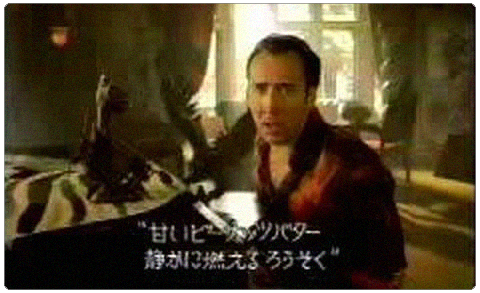
Honestly the only answer is the Nicholas Cage Pachinko ads. I’m sitting at the piano learning how to play the Favourite Things song right now (the trick is to do it poorly). I mean yes, they’re gambling ads and gambling is horrible but – the weird triplets one aside – these offer some of Cage’s best performances since Vampire’s Kiss. They’re ethereal in a way no other Hollywood in Japan ad series has managed to top, which is crazy because 1) there is a plausibly never-ending amount of Hollywood cameos in Japanese advertising and 2) it’s Japanese advertising. Anyway I’m going to go watch the SkyPiece ads, close my eyes and pretend I’m hearing them in a cab from Haneda. Beats the shit out of meditation.
Eliza
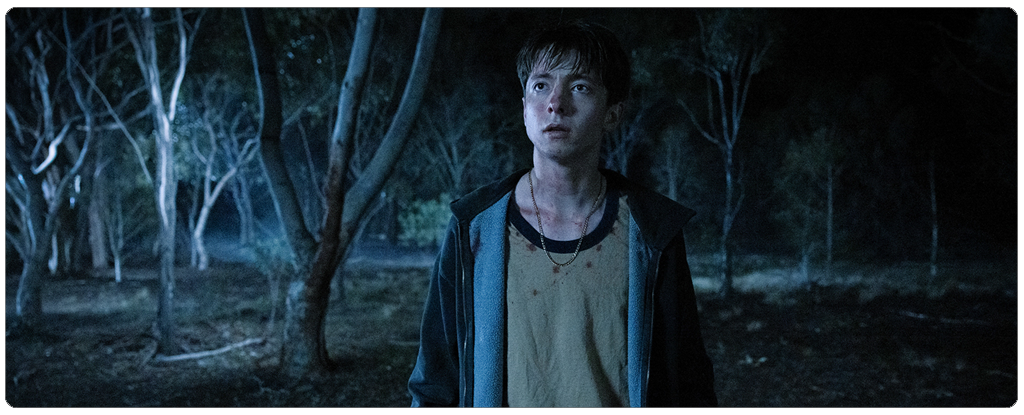
Leviticus, Adrian Chiarella’s debut horror film, took horror to a new depth. It delivers laughter, tears and probably the best jump scare I’ve seen in ages. Set in a Bible-thumping Australian rural town, the film follows Naim and Ryan, two teenage boys whose romance is discovered by their parents and met with a religious ceremony meant to “cure” them. As you can imagine, that does not happen. It’s a thread I’ve been noticing in horror recently, specifically Australian horror. Thinking back to Talk to Me, Bring Her Back, even The Babadook, genre convention is rarely the destination. It’s a vehicle for something larger, in the case of Leviticus, the brutality of conversion therapy. A jump scare makes you sit up; Leviticus uses that attention to force its audience to confront grief, heartbreak and the reality beneath the horror. The scars don’t dilute the emotion; they sharpen it because the film earns a fuller emotional register. The lesson here? A story that only ever plays one note is easier to tune out, because the audience knows what’s coming and braces early.